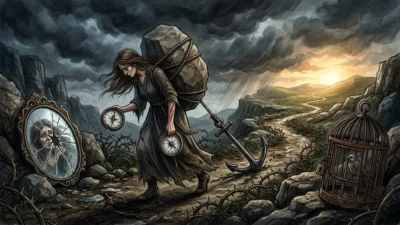
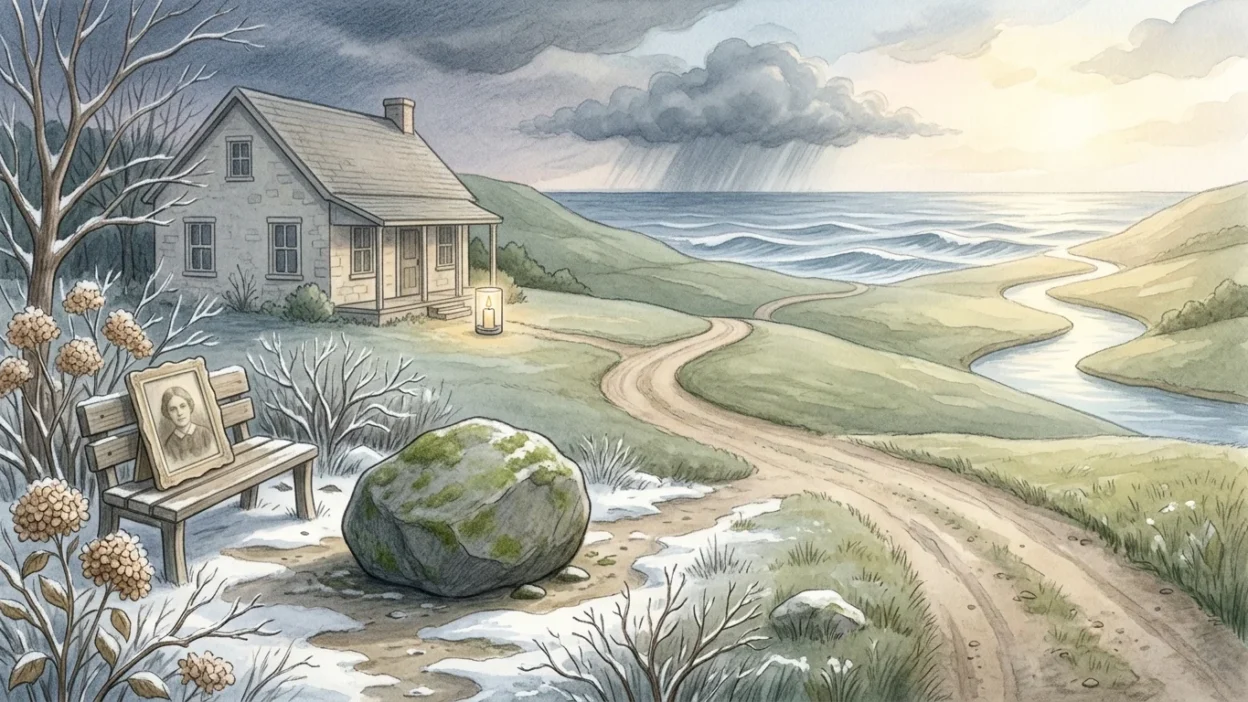
Grief is a deep feeling that can be difficult to explain. When someone loses a person, relationship, dream, or important part of life, ordinary words may not fully express what they feel. Metaphors can help turn this difficult emotion into images that readers can understand and feel.
Metaphors for grief often use images such as storms, shadows, oceans, heavy stones, empty rooms, wounds, and long roads. For example, “Grief is an ocean” suggests that sadness can come in waves and sometimes feel overwhelming. “Grief is a shadow” shows how sadness can stay close even when life continues. “Her heart was an empty house” can express the painful feeling of absence after a loss.
These metaphors can be useful in poems, essays, stories, speeches, journals, and creative writing. They allow writers to show grief instead of simply naming it. Because grief is different for everyone, the best metaphor is one that matches the feeling you want to express.
Quick Answer
Metaphors for grief compare sadness and loss with powerful images such as an ocean, storm, shadow, heavy stone, empty house, wound, winter, and long road. For example, “Grief is an ocean” means grief can arrive in waves and sometimes feel overwhelming. These metaphors make difficult emotions easier to express.
What Are Metaphors for Grief?
A metaphor directly compares one thing with another without using like or as.
For example:
“Grief is a heavy stone.”
Grief is not literally a stone. The metaphor means that grief can feel heavy and difficult to carry.
Metaphors are a type of figurative language and an important literary device. They help writers describe emotions that are difficult to explain directly.
Why Use Metaphors for Grief?
Metaphors can help writers:
- Describe deep sadness
- Express feelings of loss
- Show emotional pain
- Describe loneliness
- Explain how grief changes over time
- Create emotional images
- Make poems and stories more powerful
- Help readers understand difficult feelings
20 Original Metaphors for Grief
| Metaphor | Meaning |
|---|---|
| Grief is an ocean. | Grief can be deep and arrive in powerful waves. |
| Grief is a storm. | Grief can bring confusion, sadness, and emotional turmoil. |
| Grief is a shadow. | Grief can remain close even as life continues. |
| Grief is a heavy stone. | Grief can feel difficult to carry. |
| Grief is an empty house. | Loss can leave a painful feeling of emptiness. |
| Grief is a wound. | Loss can cause deep emotional pain that takes time to heal. |
| Grief is winter. | Grief can make life feel cold, quiet, and empty. |
| Grief is a long road. | Grief can be a slow journey with no simple ending. |
| Grief is a locked door. | Loss can make the past feel unreachable. |
| Grief is a fog. | Grief can make the future feel unclear. |
| Grief is a broken bridge. | Loss can separate someone from a person or time they once knew. |
| Grief is a silent room. | Grief can create deep quiet and loneliness. |
| Grief is a tide. | Grief can come and go in changing waves. |
| Grief is an echo. | Memories and feelings can continue after someone is gone. |
| Grief is a crack in glass. | Loss can leave a lasting mark on someone’s life. |
| Grief is a backpack of stones. | Grief can feel like carrying many painful memories. |
| Grief is a fading photograph. | Memories may feel distant while still remaining meaningful. |
| Grief is a candle in the dark. | Grief can hold both sadness and memories of love. |
| Grief is a garden in winter. | Life may feel empty for a while, while healing slowly begins. |
| Grief is a river. | Grief continues moving and changing over time. |
Grief Is an Ocean
Meaning
Grief can be deep and arrive in powerful waves.
Explanation
An ocean can be calm one moment and rough the next. Grief can feel similar. Some days may feel manageable, while other moments can bring a sudden rush of sadness.
Example Sentences
- Grief is an ocean that sometimes rises without warning.
- She felt lost in the ocean of grief.
Grief Is a Storm
Meaning
Grief can bring confusion, sadness, and emotional turmoil.
Explanation
A storm can arrive suddenly and make the world feel dark and unsettled. Grief can create a similar feeling inside a person.
Example Sentences
- Grief was a storm moving through his heart.
- She stood quietly while the storm of grief passed through her.
Grief Is a Shadow
Meaning
Grief can remain close even when life continues.
Explanation
A shadow follows a person without making a sound. This metaphor shows how memories and sadness can stay present after a loss.
Example Sentences
- Grief was a shadow following him through ordinary days.
- The shadow of grief remained even when she smiled.
Grief Is a Heavy Stone
Meaning
Grief can feel difficult to carry.
Explanation
A heavy stone requires effort to carry. This metaphor shows the emotional weight that can come with loss.
Example Sentences
- Grief was a heavy stone resting on her heart.
- He carried grief like a stone in his pocket.
Grief Is an Empty House
Meaning
Loss can leave a painful feeling of emptiness.
Explanation
An empty house can feel quiet because the people and sounds that once filled it are gone. This image can represent the emptiness left after a loss.
Example Sentences
- After the funeral, her heart was an empty house.
- Grief turned the once happy home into an empty house.
Grief Is a Wound
Meaning
Loss can cause deep emotional pain that takes time to heal.
Explanation
A physical wound needs time and care to heal. This metaphor suggests that emotional pain may also need patience and care.
Example Sentences
- Grief is a wound that needs time to heal.
- The loss left a wound in his heart.
Grief Is Winter
Meaning
Grief can make life feel cold, quiet, and empty.
Explanation
Winter is often associated with coldness, bare trees, and quiet landscapes. This makes it a useful metaphor for a period when life feels less joyful.
Example Sentences
- Grief was winter inside her heart.
- His world became a long winter after the loss.
Grief Is a Long Road
Meaning
Grief can be a slow journey with no simple ending.
Explanation
A long road takes time to travel. This metaphor shows that grief is often a process rather than something that disappears quickly.
Example Sentences
- Grief is a long road with many unexpected turns.
- She walked the long road of grief one day at a time.
Grief Is a Locked Door
Meaning
Loss can make the past feel unreachable.
Explanation
A locked door prevents someone from entering a place. This metaphor can express the painful feeling that a past moment or relationship cannot be returned to.
Example Sentences
- Grief was a locked door between yesterday and today.
- The past felt like a locked door after his death.
Grief Is a Fog
Meaning
Grief can make the future feel unclear.
Explanation
Fog makes it difficult to see what is ahead. Similarly, grief can make it hard to know what life will look like after a loss.
Example Sentences
- Grief was a fog covering her future.
- He moved through the first weeks of grief in a thick fog.
Grief Is a Broken Bridge
Meaning
Loss can separate someone from a person or time they once knew.
Explanation
A bridge connects two places. A broken bridge cannot provide that connection, making it a useful image for separation caused by loss.
Example Sentences
- Grief was a broken bridge between the past and present.
- Their final goodbye felt like a broken bridge.
Grief Is a Silent Room
Meaning
Grief can create deep quiet and loneliness.
Explanation
An empty, silent room can feel isolated. This metaphor captures the quiet feeling that may follow a major loss.
Example Sentences
- Her heart became a silent room after the loss.
- Grief left him sitting alone in a silent room.
Grief Is a Tide
Meaning
Grief can come and go in changing waves.
Explanation
A tide moves in and out. Grief can also change from one moment to another, with difficult feelings returning unexpectedly.
Example Sentences
- Grief was a tide that came and went.
- A sudden memory brought the tide of grief back.
Grief Is an Echo
Meaning
Memories and feelings can continue after someone is gone.
Explanation
An echo remains after the original sound has disappeared. This metaphor shows how memories can continue to affect someone after a loss.
Example Sentences
- Grief was an echo of a love that remained.
- Her voice lived in his memory like an echo.
Grief Is a Crack in Glass
Meaning
Loss can leave a lasting mark on someone’s life.
Explanation
A crack changes the appearance of glass even when the glass remains together. This metaphor suggests that grief can permanently change someone without completely destroying them.
Example Sentences
- Grief was a crack in the glass of her old life.
- The loss left a crack in his heart that he carried quietly.
Grief Is a Backpack of Stones
Meaning
Grief can feel like carrying many painful memories.
Explanation
A backpack full of stones would become heavy and tiring to carry. This metaphor shows the weight of memories, sadness, and unanswered feelings.
Example Sentences
- Grief was a backpack of stones on his long journey.
- She carried a backpack of memories and stones wherever she went.
Grief Is a Fading Photograph
Meaning
Memories may feel distant while still remaining meaningful.
Explanation
An old photograph can fade with time while still holding emotional value. This metaphor connects grief with memories of the past.
Example Sentences
- Grief was a fading photograph she could not put away.
- His memories felt like a fading photograph from another life.
Grief Is a Candle in the Dark
Meaning
Grief can hold both sadness and memories of love.
Explanation
A candle creates a small amount of light in darkness. This metaphor suggests that even during grief, memories and love can remain present.
Example Sentences
- Her memories were candles in the darkness of grief.
- Grief was darkness, but love remained a candle.
Grief Is a Garden in Winter
Meaning
Life may feel empty for a while, while healing slowly begins.
Explanation
A winter garden may look bare, but life remains beneath the surface. This metaphor can suggest that healing and new growth may take time.
Example Sentences
- Her heart was a garden in winter.
- Grief left his life looking like a garden in winter.
Grief Is a River
Meaning
Grief continues moving and changing over time.
Explanation
A river does not remain exactly the same. It keeps moving forward. This metaphor shows that grief can change rather than simply disappear.
Example Sentences
- Grief is a river that changes its course over time.
- She learned to travel with the river of grief.
Common Mistakes
- Treating a metaphor as a literal description.
- Using like or as and calling the comparison a metaphor.
- Suggesting that grief follows exactly the same path for everyone.
- Making grief sound as if it should disappear quickly.
- Using too many dark images in one paragraph.
- Mixing unrelated metaphors without a clear reason.
- Forgetting that grief can contain love, memories, hope, and healing as well as sadness.
Similar Expressions
- A heavy heart
- A sea of sorrow
- A cloud of sadness
- An ache in the heart
- A painful void
- A broken heart
- A season of sorrow
- A journey through loss
- A wave of sadness
- A quiet ache
Creative Writing Tips
- Use an ocean for deep or overwhelming grief.
- Use a storm for emotional confusion.
- Use a shadow for grief that remains present.
- Use a heavy stone for emotional weight.
- Use an empty house for loneliness and absence.
- Use a wound for emotional pain and healing.
- Use winter for a cold or empty period.
- Use a long road for the journey through grief.
- Use an echo for memories that remain.
- Use a candle when you want to show both grief and love.
When writing about grief, choose an image that matches the feeling you want to show. A storm works well for sudden emotional pain, while an ocean can show depth and changing waves. If you want to include hope, images such as a candle, river, or garden can create a gentler message.
Practice Questions
1. Which metaphor describes grief as something deep and powerful?
Answer: Grief is an ocean.
Explanation: An ocean is deep and can change from calm to rough, just as grief can change over time.
2. Which metaphor represents emotional weight?
Answer: Grief is a heavy stone.
Explanation: A heavy stone is difficult to carry, just as grief can feel emotionally heavy.
3. Which metaphor represents loneliness after loss?
Answer: Grief is an empty house.
Explanation: An empty house can represent the absence of people, sounds, and memories that once filled a home.
4. Which metaphor represents emotional pain that takes time to heal?
Answer: Grief is a wound.
Explanation: A wound needs time and care to heal, making it a useful image for emotional pain.
5. Which metaphor represents unclear feelings about the future?
Answer: Grief is a fog.
Explanation: Fog makes it difficult to see what is ahead, just as grief can make the future seem uncertain.
6. Which metaphor represents grief that comes and goes?
Answer: Grief is a tide.
Explanation: Tides move in and out, similar to how feelings of grief can return unexpectedly.
7. Which metaphor represents lasting memories?
Answer: Grief is an echo.
Explanation: An echo remains after the original sound has ended, just as memories can remain after a loss.
8. Which metaphor can represent hope during grief?
Answer: Grief is a candle in the dark.
Explanation: A candle provides light in darkness, suggesting that love, memories, or hope can remain during a difficult time.
9. Which metaphor represents the long process of grief?
Answer: Grief is a long road.
Explanation: A long road takes time to travel, just as grief can be a gradual personal journey.
10. Why do writers use metaphors for grief?
Answer: They help readers understand difficult feelings through clear and powerful images.
Explanation: Grief can be hard to explain directly. Metaphors give emotional pain a form that readers can imagine.
FAQs
What are metaphors for grief?
Metaphors for grief compare the experience of loss with images such as oceans, storms, shadows, wounds, empty houses, winters, and long roads.
What is a good metaphor for grief?
“Grief is an ocean” is a powerful metaphor because grief can feel deep and can arrive in changing waves.
What is a metaphor for losing someone?
“Grief is an empty house” can represent the emptiness left when someone important is no longer present.
What is a metaphor for the pain of grief?
“Grief is a wound” suggests that loss can create deep emotional pain that needs time and care.
What is a metaphor for grief and healing?
“Grief is a garden in winter” can represent a difficult period in which healing and new growth may slowly begin.
Can I use metaphors for grief in an essay?
Yes. They can make essays, poems, stories, speeches, and personal writing more expressive and emotionally clear.
Are metaphors for grief figurative language?
Yes. Metaphors are a form of figurative language that directly compare one thing with another to express an idea.
How can I create my own metaphor for grief?
Think about the feeling you want to show. Use an ocean for depth, a storm for emotional turmoil, a shadow for lasting sadness, a wound for pain, or a candle for hope and memory.
Conclusion
Metaphors for grief give writers gentle and powerful ways to describe the pain of loss. Grief can be an ocean that arrives in waves, a storm that unsettles the heart, a shadow that stays close, or a heavy stone that is difficult to carry.
It can also be an empty house, a wound, a long road, or an echo of someone deeply loved. These images help readers understand that grief is not always simple or predictable. It can change from day to day and may contain sadness, love, memories, loneliness, and hope at the same time.
When writing about grief, choose an image that fits the feeling you want to express. A thoughtful metaphor can make difficult emotions easier to share while keeping the writing clear, respectful, and deeply human.

Lucas Luke is a passionate language writer and content creator at SimileHive, specializing in similes, idioms, metaphors, and figurative language. He enjoys making complex English expressions simple, engaging, and easy to understand for students, writers, and language enthusiasts through well-researched, practical content.