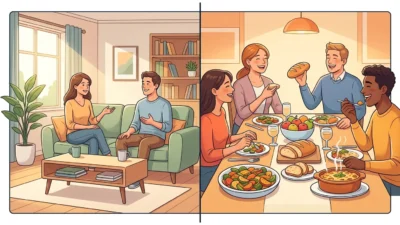
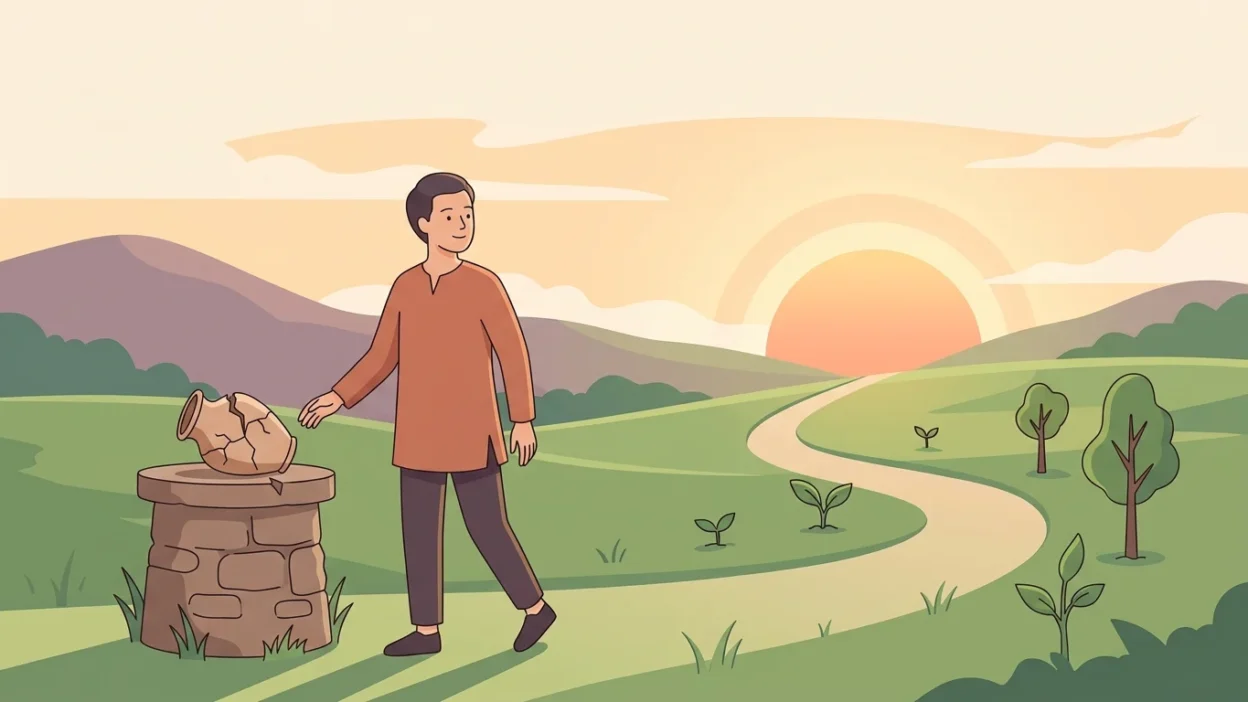
“It is what it is” means a situation cannot be changed, so you must accept it as it is. People often use this phrase when something disappointing, difficult, or unavoidable has happened. It can express acceptance, resignation, or a decision to stop worrying about something that is outside your control.
The phrase is common in everyday English, especially in conversations about problems, mistakes, disappointments, and unexpected events. For example, if someone misses a flight and cannot change what happened, they might say, “It is what it is. I’ll take the next flight.
” The speaker is not necessarily happy about the situation. Instead, they are recognizing reality and choosing to move forward. Understanding the meaning and tone of “it is what it is” can help English learners use this expression naturally without sounding careless, negative, or dismissive.
Quick Answer
“It is what it is” means accepting a situation that cannot be changed. It is often used after something disappointing, difficult, or unavoidable. The phrase can show acceptance, resignation, or emotional calm. For example: “We lost the game, but it is what it is. We can try again next time.”
Why Do People Confuse “It Is What It Is”?
People sometimes misunderstand this phrase because its literal meaning sounds very obvious. Of course, something “is what it is.” However, the expression has a figurative, conversational meaning.
The speaker usually means:
- “I cannot change this situation.”
- “I have to accept what happened.”
- “There is no point in worrying about it now.”
- “Let’s move forward.”
- “This is the reality of the situation.”
It does not always mean that the speaker likes the situation or thinks it is fair.
For example:
“The restaurant ran out of our favorite dessert, but it is what it is.”
Here, the person is disappointed but accepts that the dessert is unavailable.
What Does the First Word “It” Mean?
The first word, “it,” is a pronoun. In this expression, “it” refers to the situation, event, problem, or circumstance being discussed.
For example:
“The weather ruined our picnic. It is what it is.”
Here, “it” refers to the bad weather and the situation it caused.
The word “it” makes the phrase general. You do not need to repeat the whole situation.
What Does the Second Word “Is” Mean?
The first “is” is the verb to be. It connects “it” with the description that follows.
The phrase then repeats the idea:
It + is + what + it + is.
The second “is” also comes from the verb to be. Together, the words express the idea that the situation exists in its current form and cannot simply be changed by wishing it were different.
How Is “It Is What It Is” Used?
| Expression | Meaning | Typical feeling |
|---|---|---|
| It is what it is. | I accept the situation. | Calm or resigned |
| It is not ideal, but it is what it is. | The situation is imperfect, but I accept it. | Realistic |
| Well, it is what it is. | There is little I can do about it. | Resigned |
| That’s just how things are. | This is the current reality. | Matter of fact |
When Should You Use “It Is What It Is”?
Use the phrase when something has happened and you cannot reasonably change it.
Use it for unavoidable situations
“The deadline passed yesterday. It is what it is.”
Use it after disappointment
“I wanted the job, but they chose someone else. It is what it is.”
Use it when accepting a mistake
“I forgot my umbrella and got soaked. It is what it is.”
Use it to move forward
“We made a mistake, but it is what it is. Let’s find a solution.”
The expression works best when the speaker accepts reality instead of continuing to complain about it.
12 Examples of “It Is What It Is”
1. After losing something
“I lost my old phone, but it is what it is. I need to buy another one.”
Meaning: The speaker cannot undo the loss and accepts the situation.
2. After a disappointing result
“I didn’t get the highest score, but it is what it is.”
Meaning: The speaker accepts the result.
3. When plans change
“Our trip was canceled because of the storm. It is what it is.”
Meaning: The cancellation cannot be controlled.
4. After making a mistake
“I sent the email to the wrong person. It is what it is. I’ll be more careful next time.”
Meaning: The mistake has already happened, so the speaker focuses on what to do next.
5. About bad weather
“It’s raining again, but it is what it is. We can still have fun indoors.”
Meaning: The speaker accepts the weather.
6. After losing a game
“We lost the match, but it is what it is. We’ll train harder.”
Meaning: The speaker accepts the loss and plans to improve.
7. When something is expensive
“The repairs cost more than I expected, but it is what it is.”
Meaning: The speaker accepts the unavoidable cost.
8. When facing a delay
“The train is two hours late. It is what it is.”
Meaning: The delay cannot be changed by the speaker.
9. After an argument
“We had an argument yesterday. It is what it is, and I hope we can move on.”
Meaning: The speaker does not want to remain focused on the past.
10. When accepting a difficult situation
“Things did not go according to plan, but it is what it is.”
Meaning: The outcome was different from what was expected, but it must be accepted.
11. After missing an opportunity
“I missed the application deadline. It is what it is. I’ll apply next year.”
Meaning: The person accepts the missed opportunity and looks ahead.
12. In everyday conversation
“I wanted to finish today, but I’m too tired. It is what it is.”
Meaning: The speaker accepts that the task will have to wait.
“It Is What It Is” vs. Similar Expressions
| Expression | Main idea | Example |
|---|---|---|
| It is what it is. | Accept reality. | “We cannot change the result. It is what it is.” |
| That’s life. | Accept life’s difficulties. | “Sometimes things go wrong. That’s life.” |
| It can’t be helped. | Nothing can be done. | “The road is closed, so it can’t be helped.” |
| What’s done is done. | The past cannot be changed. | “We made a mistake, but what’s done is done.” |
| Let it go. | Stop worrying about something. | “The argument is over. Let it go.” |
| Move on. | Focus on the future. | “The project failed, so let’s move on.” |
What Is the Difference Between “It Is What It Is” and “What’s Done Is Done”?
These expressions are similar, but they are not exactly the same.
“It is what it is” can describe a current situation that cannot easily be changed.
“What’s done is done” usually focuses on something that has already happened.
Compare:
“The weather is terrible. It is what it is.”
The speaker accepts the current weather.
“I made a mistake yesterday. What’s done is done.”
The speaker accepts that the past cannot be changed.
Common Mistakes
Mistake 1: Thinking it always means happiness
“It is what it is” does not mean:
“Everything is great.”
A person can use it while feeling disappointed or frustrated.
Mistake 2: Using it when action is still possible
If you can solve the problem, saying “it is what it is” may sound like you are giving up.
For example:
“My computer is broken, but it is what it is.”
If the computer can easily be repaired, a better response might be:
“My computer is broken, so I’ll get it repaired.”
Mistake 3: Using it without considering the listener
The phrase can sometimes sound dismissive.
If someone is sharing a serious problem, replying only:
“It is what it is.”
may make them feel that you do not care.
A warmer response would be:
“I’m sorry you’re dealing with that. Unfortunately, it is what it is, and we can think about what to do next.”
Mistake 4: Assuming it is always formal
“It is what it is” is mainly a common conversational expression. It can appear in writing too, but it is especially natural in everyday speech.
Memory Trick
Think of “It is what it is” as:
“I cannot change it → I accept it → I move forward.”
A simple memory sentence is:
Accept reality, then keep going.
If you remember those six words, you will understand the main idea behind the expression.
American English vs. British English
“It is what it is” is understood in both American and British English. There is no important difference in its basic meaning.
You may hear it in conversations, interviews, workplace discussions, sports, and everyday situations in both varieties of English.
The pronunciation and accent may differ between speakers, but the expression itself remains essentially the same.
Similar Words and Phrases
Depending on the situation, these expressions can have a similar meaning:
- That’s life.
- That’s how it goes.
- That’s just how things are.
- What’s done is done.
- It can’t be helped.
- There’s nothing I can do about it.
- I have to accept it.
- Let’s move on.
- We have to deal with it.
- It cannot be changed.
They are not perfect substitutes in every situation, so pay attention to the context and tone.
Final Verdict
“It is what it is” means accepting a situation as it currently exists, especially when you cannot change it.
It is a useful everyday English expression for showing acceptance, realism, or resignation. It does not necessarily show approval. In many cases, the speaker is saying, “I do not like this situation, but I cannot change what has happened, so I will accept it and move forward.”
Frequently Asked Questions
What does “it is what it is” mean in simple words?
It means “I cannot change the situation, so I have to accept it.” The phrase often expresses acceptance of something disappointing, difficult, or unavoidable.
Is “it is what it is” an idiom?
Yes. “It is what it is” is commonly treated as an idiomatic expression because its intended meaning is broader than its literal words. It expresses acceptance of reality rather than simply describing something.
Is “it is what it is” positive or negative?
It can be either. The tone depends on the situation and the speaker. It can sound calm and realistic, but it can also sound resigned or dismissive.
Is it rude to say “it is what it is”?
Not necessarily. However, it may sound insensitive if someone is discussing a serious or emotional problem. In those situations, adding empathy can make your response kinder.
What is another way to say “it is what it is”?
Depending on the context, you can say “That’s how it goes,” “That’s life,” “What’s done is done,” or “There’s nothing I can do about it.”
Can I use “it is what it is” in professional English?
Yes, but use it thoughtfully. It can sound natural in workplace conversations when discussing an unavoidable situation. In formal writing, a clearer phrase such as “The situation cannot be changed” may be more appropriate.
What is the difference between “it is what it is” and “what’s done is done”?
“It is what it is” usually accepts a current situation, while “what’s done is done” focuses more specifically on something that happened in the past and cannot be undone.
Remember This
“It is what it is” = Accept the situation because you cannot change it, and focus on what you can do next.
Conclusion
The phrase “it is what it is” is a common English expression used to accept reality. It is especially useful when something has gone wrong, plans have changed, or circumstances are outside your control.
The speaker does not necessarily agree with or like the situation; they simply recognize that it exists and cannot easily be changed.
For English learners, the most important thing is to understand the tone. The expression can sound calm and mature when used to accept an unavoidable problem, but it can sound dismissive when someone needs sympathy.
Use it when acceptance is appropriate, and when possible, pair it with a helpful next step: accept what happened, learn from it, and move forward.

Charles Kevin is a passionate language writer and researcher at SimileHive, creating clear, engaging content about similes, idioms, metaphors, and figurative language to help readers improve English communication confidently every day.