confusing words and ideoms6 Min Read Lucas LukeonOctober 20, 2026 Authentication vs. Authentification: Which Word Is Correct? If you are unsure whether to write “authentication” or “authentification,” the correct choice in modern English is usually authentication. It… Discover More
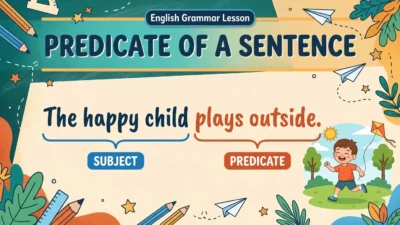
confusing words and ideoms8 Min Read Adam AdamonOctober 20, 2026 Predicate of a Sentence: Meaning, Types and Grammar Rules The predicate of a sentence is the part that tells us something about the subject. It usually contains a verb and may include other words that… Discover More
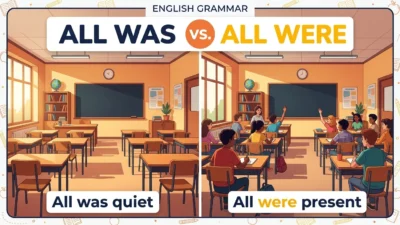
confusing words and ideoms8 Min Read Charles KevinonOctober 20, 2026 All Was vs. All Were: Which Is Correct? Meaning and Examples Choosing between “all was” and “all were” can be confusing because the word all can refer to one thing, several things, or an entire… Discover More
confusing words and ideoms7 Min Read Charles KevinonOctober 18, 2026 Keep One’s Head Above Water: Meaning, Examples, and Usage The phrase “keep one’s head above water” is a common English idiom that means to manage a difficult situation without becoming overwhelmed. It… Discover More
confusing words and ideoms7 Min Read Adam AdamonOctober 18, 2026 Going to Hell in a Handbasket Meaning: Origin and How to Use The phrase “going to hell in a handbasket” is an informal English idiom used to describe a situation that is getting worse very quickly. It… Discover More
confusing words and ideoms6 Min Read Charles KevinonOctober 18, 2026 Thanks for Asking: Meaning, Usage, Examples, and How to Reply “Thanks for asking” is a polite and friendly expression used to show appreciation when someone asks you a question, checks on you, or shows… Discover More
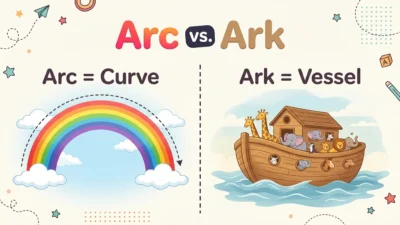
confusing words and ideoms9 Min Read Lucas LukeonOctober 18, 2026 Arc vs. Ark: What Is the Difference ? Meaning and Usage “Arc” and “ark” are two English words that sound exactly alike but have completely different meanings. Because they are pronounced the same… Discover More
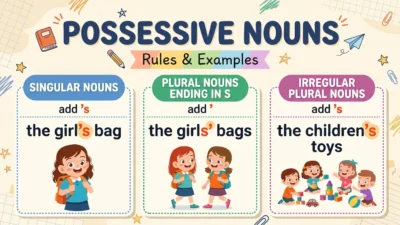
confusing words and ideoms10 Min Read Adam AdamonOctober 18, 2026 Possessive Nouns: Meaning, Rules, Examples and Grammar Tips Possessive nouns are an important part of English grammar because they show ownership, relationships, and connections between people, animals,… Discover More
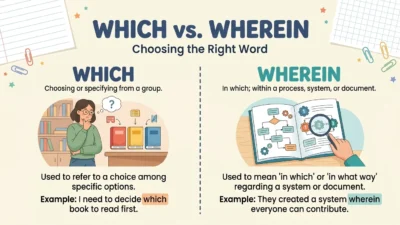
confusing words and ideoms10 Min Read Charles KevinonOctober 17, 2026 Which vs. Wherein: What Is the Difference? Meaning & Examples “Which” and “wherein” are both used to connect ideas, but they serve different grammatical purposes. Which is a common relative pronoun or… Discover More
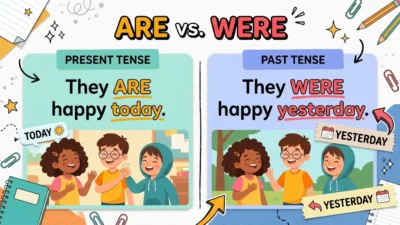
confusing words and ideoms8 Min Read Adam AdamonOctober 17, 2026 Are vs. Were: What Is the Difference? Meaning and Examples Are and were are both forms of the verb to be, but they are used in different situations. Are usually describes a present condition, identity,… Discover More