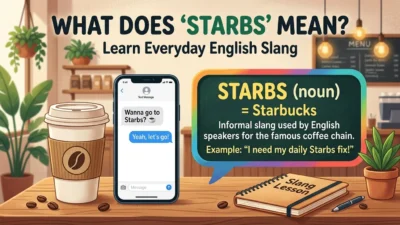
confusing words and ideoms7 Min Read Charles KevinonOctober 11, 2026 Starbs Meaning: What Does “Starbs” Mean in Texting and Slang? Have you come across the word “starbs” in a text message, social media post, or casual conversation? If you are wondering what it means, you… Discover More
confusing words and ideoms8 Min Read Charles KevinonOctober 10, 2026 Last Resort Meaning: Definition, Examples and How to Use It Have you ever faced a difficult situation where you tried everything but nothing worked? In such moments, you might have to choose a final… Discover More
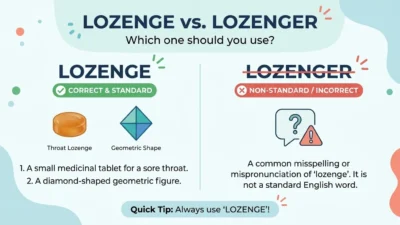
confusing words and ideoms7 Min Read Lucas LukeonOctober 10, 2026 Lozenge vs Lozenger: Which Spelling Is Correct between them ? Have you ever wondered whether the correct word is “lozenge” or “lozenger”? Both spellings may look familiar, especially if you have heard… Discover More
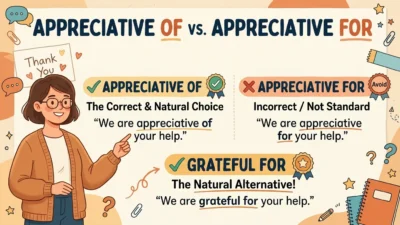
confusing words and ideoms7 Min Read Adam AdamonOctober 10, 2026 Appreciative Of vs Appreciative For: Which One Is Correct? Have you ever wondered If to say “appreciative of” or “appreciative for”? Both expressions may appear in English, but they are not used in… Discover More
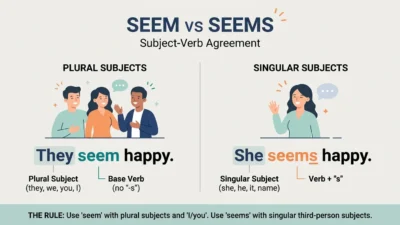
confusing words and ideoms8 Min Read Adam AdamonOctober 10, 2026 Seem vs Seems: What Is the Difference? Rules and Examples “Seem” and “seems” are both correct forms of the same verb, but they are used with different subjects. Use “seem” with I, you, we, they, and… Discover More
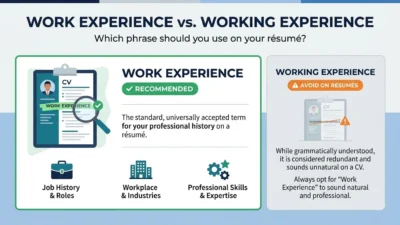
confusing words and ideoms9 Min Read Charles KevinonOctober 10, 2026 Work Experience vs Working Experience: Which One Is Correct? “Work experience” and “working experience” may seem interchangeable, but they are used differently in standard English. “Work experience” is… Discover More
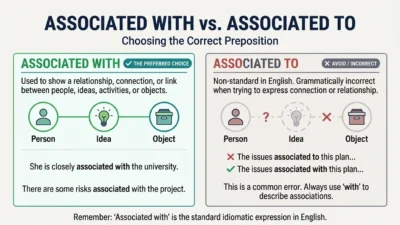
confusing words and ideoms8 Min Read Charles KevinonOctober 9, 2026 Associated With vs Associated To: Which Is Correct? Meaning, “Associated with” and “associated to” may look similar, but they are not equally common in standard English. “Associated with” is the usual… Discover More
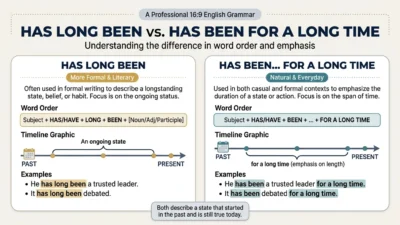
confusing words and ideoms10 Min Read Lucas LukeonOctober 9, 2026 Has Long Been vs Has Been for a Long Time: What Is Difference? “Has long been” and “has been for a long time” are both correct English expressions. They describe something that started in the past and… Discover More
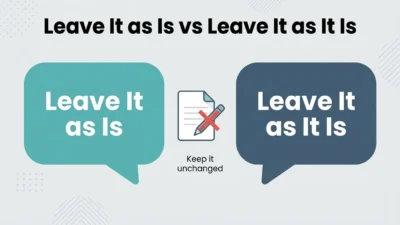
confusing words and ideoms10 Min Read Adam AdamonOctober 9, 2026 Leave It as Is vs Leave It as It Is: Which Phrase Is Correct? “Leave it as is” and “leave it as it is” are both correct English expressions. They mean to keep something in its current condition without… Discover More
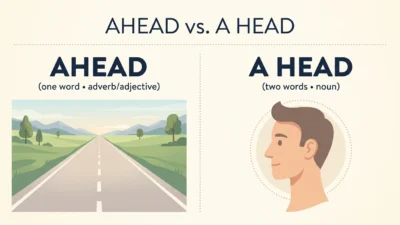
confusing words and ideoms7 Min Read Lucas LukeonOctober 8, 2026 Ahead vs A Head: What’s the Difference? Meaning and Examples Ahead and a head sound exactly the same, but they have completely different meanings and grammatical functions. Ahead is usually an adverb… Discover More